Overview — Why Visit Tokyo?
Tokyo is unlike any city on Earth. A place where centuries-old Shinto shrines sit in the shadow of glass skyscrapers, where vending machines sell hot ramen at 3am, and where bullet trains whisper through the city at 320km/h. Japan's capital is home to 14 million people, more Michelin stars than any other city in the world, and an infinite variety of neighbourhoods each with their own distinct character.
Whether you're seeking serene temple gardens, high-energy nightlife in Shibuya, otaku culture in Akihabara, or world-class art museums — Tokyo delivers it all. It's simultaneously the most organized, cleanest, safest, and most bewildering city you'll ever visit. And you'll want to come back.
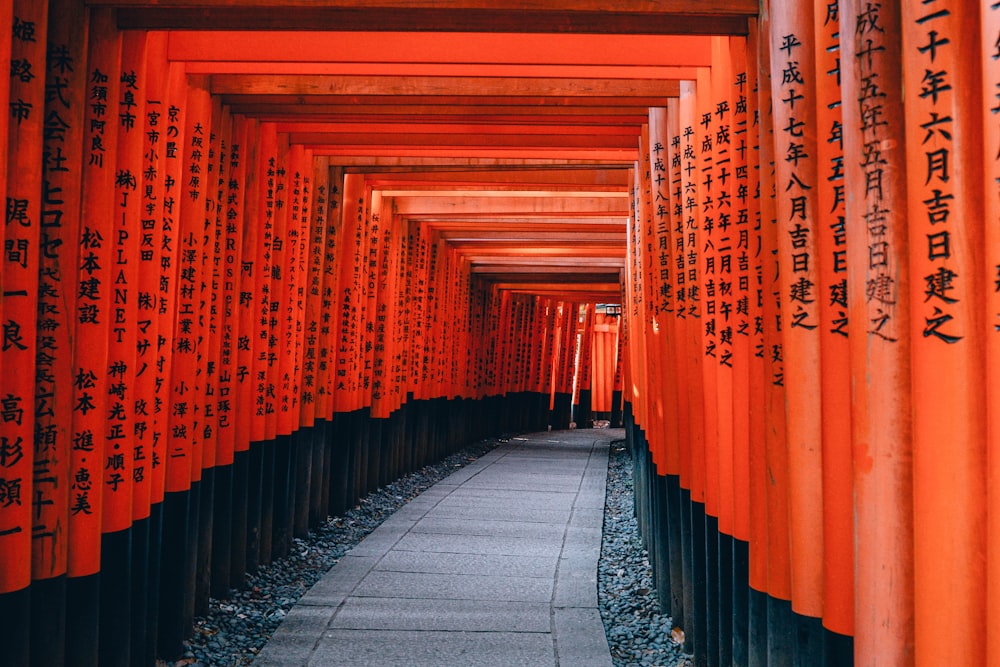
Top 10 Attractions in Tokyo
Shibuya Crossing
The world's busiest pedestrian crossing — up to 3,000 people cross at once. Best viewed from the Starbucks overlooking the intersection or from the Shibuya Sky observation deck. Most spectacular at night when the neon lights reflect off the crowds.
Senso-ji Temple, Asakusa
Tokyo's oldest and most visited temple, dating to 628 AD. Approach through the Nakamise shopping street lined with traditional snacks and souvenirs. Arrive before 8am to experience it peacefully before the crowds arrive.
Tokyo Tower & Skytree
Tokyo Tower (333m, 1958) is the city's beloved red-and-white landmark. For the best panoramic views, Tokyo Skytree (634m) is the world's tallest tower and gives unobstructed 360-degree views including Mount Fuji on clear days.
Akihabara — Electric Town
The global capital of anime, manga, gaming and electronics. Multi-story arcades, maid cafes, retro game shops and every electronic gadget imaginable. A sensory overload in the best possible way.
Shinjuku Gyoen National Garden
Tokyo's most beautiful garden covers 58 hectares and blends French, English and Japanese garden styles. The ultimate escape from the urban buzz. Famous for cherry blossoms in late March/early April with picnicking permitted.
Tsukiji Outer Market
The inner market moved to Toyosu, but the outer market still buzzes with fresh seafood, street food and sushi restaurants. Arrive by 7am for the freshest experience. Try the tamagoyaki (sweet egg omelette) from street stalls.
Harajuku & Takeshita Street
The global epicenter of youth fashion and kawaii culture. Takeshita Street is lined with crepe shops, vintage stores and fashion boutiques catering to every subculture. Visit on a Sunday for the most vibrant atmosphere.
teamLab Borderless (Digital Art Museum)
One of Tokyo's most Instagrammable experiences — an immersive digital art museum where visitors walk through constantly changing light and sound installations. Book tickets well in advance as it frequently sells out.
Mount Fuji Day Trip
Japan's iconic volcano (3,776m) is visible from Tokyo on clear days and only 90 minutes away by bullet train. From the Fuji Five Lakes region, the views are breathtaking. Climbing season is July–August.
Ueno Park & Museums
Tokyo's largest public park houses the Tokyo National Museum (Japan's oldest and largest), the National Museum of Nature and Science, the Tokyo Metropolitan Museum of Art, and Ueno Zoo. A full cultural day out.
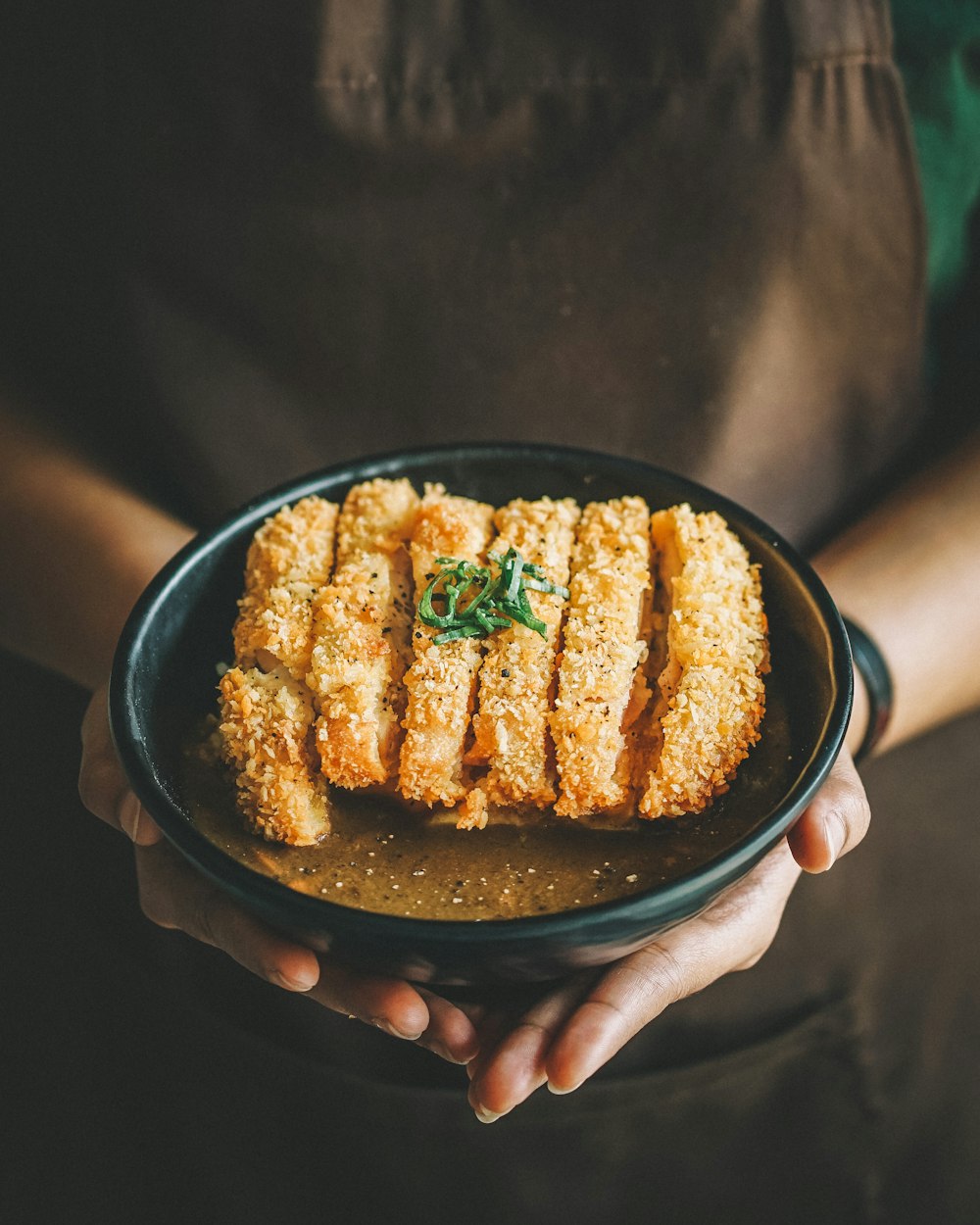
What to Eat in Tokyo
Tokyo has more Michelin-starred restaurants than any other city on Earth — but some of the best food is found at tiny ramen shops, conveyor belt sushi bars, and standing yakitori stalls. Must-try dishes include: Ramen (especially tonkotsu or shoyu style), Sushi and sashimi at Tsukiji, Tempura, Yakitori (grilled chicken skewers), Wagyu beef, Matcha everything, and Convenience store onigiri (yes, really).
Budget tip: 7-Eleven, Lawson and FamilyMart convenience stores in Japan serve surprisingly excellent hot food at very low prices — a complete meal for under ¥500 ($3.50).
✈️ Getting There
Fly into Narita (NRT) or Haneda (HND) airport. Haneda is closer — just 30 min to central Tokyo. The Narita Express (N'EX) takes 60 min and costs ¥3,070 ($20). JR Pass recommended for multi-city Japan trips.
🚇 Getting Around
Tokyo's subway is the world's best — punctual, clean and extensive. Get a Suica or Pasmo IC card (rechargeable, works on all trains and buses). Taxis are expensive. Walking between nearby neighborhoods is pleasant.
🛂 Visa Information
Citizens of 68 countries including USA, UK, EU, Australia, Canada get 90-day visa-free entry. Pakistan requires a visa — apply at the Japanese Embassy with bank statements, hotel bookings and itinerary. Processing: 5–10 business days.
Where to Stay in Tokyo
Budget ($30–70/night): Capsule hotels are a unique Tokyo experience. K's House Tokyo in Asakusa and Khaosan Tokyo in Asakusa are excellent hostels. Shinjuku has the most affordable business hotels.
Mid-Range ($100–200/night): Shinjuku, Shibuya and Asakusa are ideal base neighborhoods with excellent transport links. Hotel Gracery Shinjuku (with the famous Godzilla head), APA Hotels and Dormy Inn are reliable chains.
Luxury ($300+/night): Park Hyatt Tokyo (from Lost in Translation fame), The Ritz-Carlton Tokyo in Midtown, and Aman Tokyo are Tokyo's finest. Andaz Tokyo in Toranomon offers spectacular views.
Best Time to Visit Tokyo
Spring (March–May): Cherry blossom season (late March–early April) is magical but very crowded. Book accommodation 3–6 months ahead. Temperatures 10–20°C, pleasant for sightseeing.
Autumn (September–November): Autumn foliage rivals cherry blossoms in beauty. Cooler temps, fewer crowds than spring. October is arguably Tokyo's best month.
Avoid: August (sweltering humid heat, 35°C+), Golden Week (late April–early May, all accommodation doubles in price).